Small breed
Lakeland Terrier Puppies
Named after its English hometown called The Lake District, the Lakeland Terrier is famous for its bold and interactive nature. It is recognized globally as the smallest and friendliest breed of the Terrier family. Discover more about our Lakeland Terrier puppies for sale below!
We do not have Lakeland Terrier puppies on the floor today. Tell us what you are looking for and we will let you know the moment one arrives, or help you find a breed that suits your home just as well.
- Exercise 60 min a day
About the Lakeland Terrier
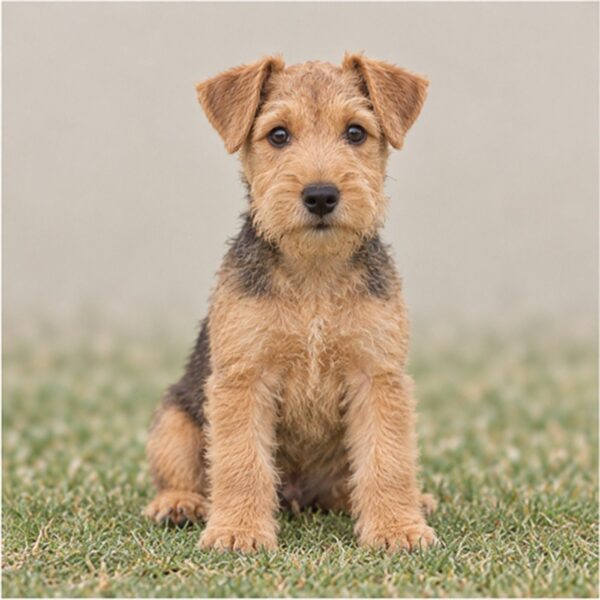
The Lakeland Terrier is a delightful breed with a rich history rooted in the Lake District of England, where they were originally bred to control vermin on farms, showcasing their tenacity and intelligence. As a mid-sized breed, they bring a vibrant and loving energy to your home, making them excellent companions for families. Known for their affectionate nature, Lakeland Terriers enjoy being part of the family dynamic and can be particularly good with young kids and other dogs. Their adaptable temperament means they can fit well in various living situations, including apartments, as long as they receive regular exercise and mental stimulation.
Read more about the Lakeland Terrier Show less
With a moderate energy level, these little dynamo dogs require regular walks and playtime to keep them happy and healthy. They thrive on companionship and enjoy engaging activities with their owners, making them eager participants in family adventures. Their grooming needs are manageable, requiring weekly brushing to maintain their coat without excessive shedding. This breed is typically low-shedding, so you can enjoy their company without worrying too much about fur around your home.
Trainability is another strength of the Lakeland Terrier, as they are intelligent and quick to learn when positively motivated. With their lively personality and moderate barking, they can serve as good watchdogs while also being affectionate friends. If you’re looking for a loving, energetic, and trainable companion, the Lakeland Terrier might just be the perfect fit for you and your family at Petland Las Vegas, Nevada.
Lakeland Terrier breed profile
Every score below is set by our team for this breed. Higher is simply more of that trait, not better or worse.
Temperament
-
Affection Very affectionate
-
Playfulness Always game
-
With strangers Warms up
-
Territorial Somewhat
-
Prey drive High
Family & other pets
-
Young children With supervision
-
Older children Good
-
Other dogs Usually fine
-
Cats Needs care
Energy & exercise
-
Energy High
-
Mental stimulation High
Training
-
Trainability Quick to learn
-
Intelligence Very bright
-
Stubbornness A stubborn streak
Care & upkeep
-
Shedding Light
-
Drooling None to speak of
-
Barking Moderate
Home life
-
Apartment living Adaptable
-
Time alone A few hours
-
Cold weather Comfortable
-
Warm weather Average
A good match for
-
First-time owners Manageable
-
Senior owners Suitable
-
Running partner Good
-
Hiking Good
-
Therapy work Unlikely
-
Guarding Alert
Living with a Lakeland Terrier
Breed History
Lakeland Terriers were formerly called Patterdale Terriers which are a crossbreed of the Airedale and Fox Terriers. They were bred originally by herders to hunt game and protect their sheep.
These could pursue and kill otters and foxes that would try to attack their herd. Their compact size and energy drive was an advantage, allowing them to speedily and effortlessly cover ground and also fit into small spaces.
In the United Kingdom, Lakeland Terriers are currently at risk of extinction due to low levels of breeding. Their wiry hypoallergenic coats come in black, blue, grizzle, red, wheaten, grey, liver or tan colors.
Temperament
Lakeland Terriers are lively and self-confident dogs. They are perfect for children. However, they are tentative around strangers. They can be shy yet aggressive. They learn really quickly and can memorize tricks and instructions in about forty to eighty reiterations. Their training process requires consistency.
Some Lakeland Terriers will likely dominate smaller animals. However, with early training, they learn to fare well with cats, dogs, and other domestic animals. As an energetic breed, they especially love exercise and will look for undesirable outlets to exude their energy if not engaged in daily activity.
Environment
Lakeland Terriers are impulsive chasers and need a moderately sized fenced-in setting to play in. They adjust quickly to new situations and are not very sensitive to changes in routines or visitors. They thrive in average to cold climates. They make great highland dogs.
They appreciate the outdoors and will wander once or twice, but they prefer being indoors and around their family where it is safe as they acclimatize well to apartment living. They are highly affectionate and will adore involvement in family activities. They are also extremely territorial and make excellent guard dogs.
Exercise
Lakeland Terriers are highly active dogs and require at least an hour or more for exercise daily. They are perfect for individuals with sporty lives. As a playful and social breed, they love to swim, dig, and chase.
They derive their inherent vigor from chasing hounds, so they appreciate opportunities to run after moving objects or people. They love to play fetch but can be distracted if they get too absorbed in games and exercise. It is best to keep them on a leash in outdoor environments.
Grooming
With proper grooming, Lakeland Terriers will not shed fur. While their shaggy outer coat is thick and wiry, they have a soft and fluffy undercoat. These coats are hypoallergenic and require periodic manual plucking to remove old hair.
Bi-weekly, excess hair around the ears and feet pads require professional trimming. To avoid infections, wipe the ears and eyes habitually. Grooming also includes regular coat brushing, weekly baths, and flea treatments.
The grooming process of a Lakeland Terrier is time-consuming and must be done meticulously. You might need to employ the services of a professional dog groomer if you cannot handle it yourself.
Our Lakeland Terrier puppies for sale come from either licensed commercial breeders or hobby breeders with no more than 5 breeding mothers. Licensed commercial breeders account for less than 20% of all breeders in the country.
The unregulated breeders who are selling outside of the regulations and without a license are what we consider to be “Puppy Mills.” We are committed to offering Lakeland Terrier puppies who will grow up to become important members of your family. We only purchase puppies from the very best sources, and we stand behind every puppy we sell.
Caring for a Lakeland Terrier
- Grooming
- Weekly brushing
- Grooming cost
- Average
- Monthly food
- Average
- Outdoor space
- A yard is recommended
- Allergy friendly
- Not considered hypoallergenic
Frequently Asked Questions
Are Lakeland Terriers hypoallergenic?
Yes. They do not cause allergic reactions when adequately groomed.
Are Lakeland Terriers children-friendly?
Yes. Lakeland Terriers are good with children and are also senior-citizen friendly.
Do Lakeland Terriers stink?
If your dog gives off a bad smell, it is probably a sign of uncleanliness or infection. Check the teeth, coat, and ear for possible infections. Your dog could also be having a gas attack. Also, schedule regular baths to keep that coat glossy.
Are Lakeland Terriers suitable for first-time dog owners?
Yes. If you have zero experience with dogs, a Lakeland Terrier is the perfect fit due to their even-tempered personality.
Are Lakeland Terriers office-friendly?
Lakeland Terriers are not the best breeds for workplace settings.
What is Lakeland Terriers weight gain potential?
A typical Lakeland Terrier has an average obesity threat. The more inactive your dog is, the more prone it is to gathering weight. To maintain a healthy weight, stick to a diet plan, and schedule daily walks.
Do Lakeland Terriers sleep a lot?
Not really. They are high-spirited and lively dogs. The best breed if you don’t like dogs that sleep a lot.
How often do Lakeland Terriers have puppies?
Annually. They have a litter size of about three to five puppies. Infrequent breeding is unhealthy and not recommended.